“My computer is creating mess from few days. It automatically restarts by itself when I’m working on it and after it restarts all my work will be washed off. So, I thought of taking back up of all important files to external storage device and moved required files to desktop. But, before I could back up data, my computer restarted again. That’s it; all my important files were gone. How can I get back those missing files? Please help, any suggestion would be of great help.”
Windows computer users often face such unfortunate events wherein files go missing after system gets restarted automatically. It is very annoying when you find that few of your crucial files and folders go missing when system restarts. Similar to the above one, you may come across many other situations that might lead to loss of data from computer hard drive such as:
- When Windows has updates to be renewed on the system, it asks the user to restart the system ‘Now’ or ‘Later’. If you click for NOW accidentally, then computer reboots and few files may go missing
- If there are fluctuations in the power supply, then computer may go off frequently making you to lose files
- Important files like audios, documents, videos, pictures are lost from hard drive, during file transfer process
- While you are working on any important file and if the boot sector has any irregularities, your PC might restart automatically causing missing of that file / changes made to that file
Most of the times, users encounter permanent loss of files after computer restart. In case of unsaved files, for example opening a new Word document and working in it for long time without saving the file. In such instance when system restarts, Word cannot remember the file to apply ‘Autosave’ option as it was not at all saved on the hard drive. Thus the document will be completely lost and cannot be tracked back. On the other hand, if you are working on already saved document and computer restarts suddenly, then only the changes made to that file will be lost not the complete file. And it can be restored with the help of Autosave option.
However, there are situations where entire folder present on desktop becomes invisible after computer is restarted. In this situation it is recommended to make use of relevant file recovery software to bring back missing / lost files. Prior to that, it is recommended not to save any new files to the computer hard drive as it may result in data overwriting.
Software to retrieve missing files after computer restart:
One of the most reputed software for recovering files after computer restart is Deleted files recovery The application is specially built to retrieve lost and erased files / folders from computer hard drive safely and quickly. Powered up with many high-tech recovery algorithms, software performs complete restoration of various file types like doc, txt, exe, xls, ppt, pdf, pic and other formats from both internal as well as external hard drives. In addition to this, you can also restore missing files during incomplete file transfer from system to external storage media like memory cards, USB drive, etc. The software is compatible to work on Windows OS based computers like Microsoft Windows 8, 7, Vista, XP, 2003 and 2008.
Follow simple steps to get back files lost when computer restarted:
- Download Yodot File Recovery tool and install it on your Windows computer from which files are lost
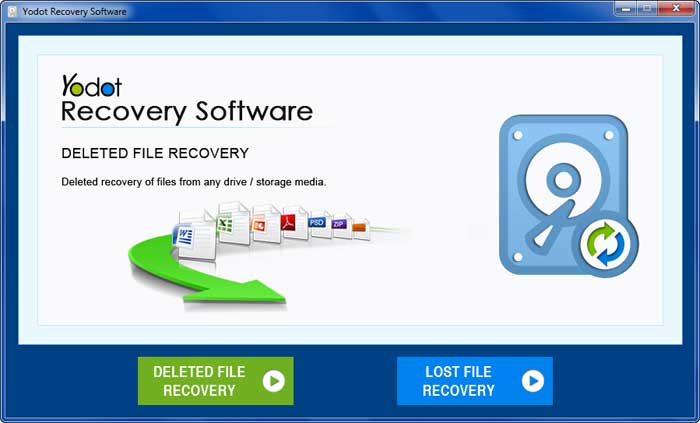
- Follow the instructions to launch the product. In the main screen click on “Lost File Recovery” option to proceed
- Then the software provides all logical and physical drives present on the system
- Select the drive/ partition from which recovery has to be carried out
- On clicking next, the tool triggers scanning process on the selected drive
- Status of recovery process will be shown in Progress bar
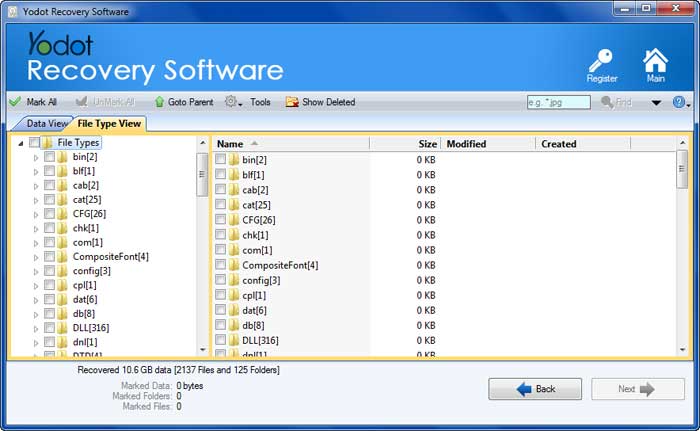
- Next, all recoverable files will be detected and shown in list
- Make use of Data view or File type view to have a glance at various restored files
- Then, select your required files and proceed to save them
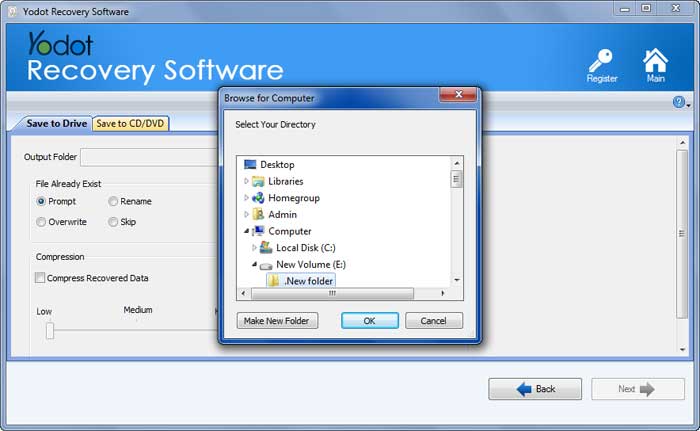
- Target a new location on the system drive to store recovered files and click on Save button
Precautionary measures:
- When computer has any update, close all applications before restarting the system
- On opening any new file save it in particular location before working on it
- If system automatically restarts, then track back the causes and fix them before it leads to data loss disaster